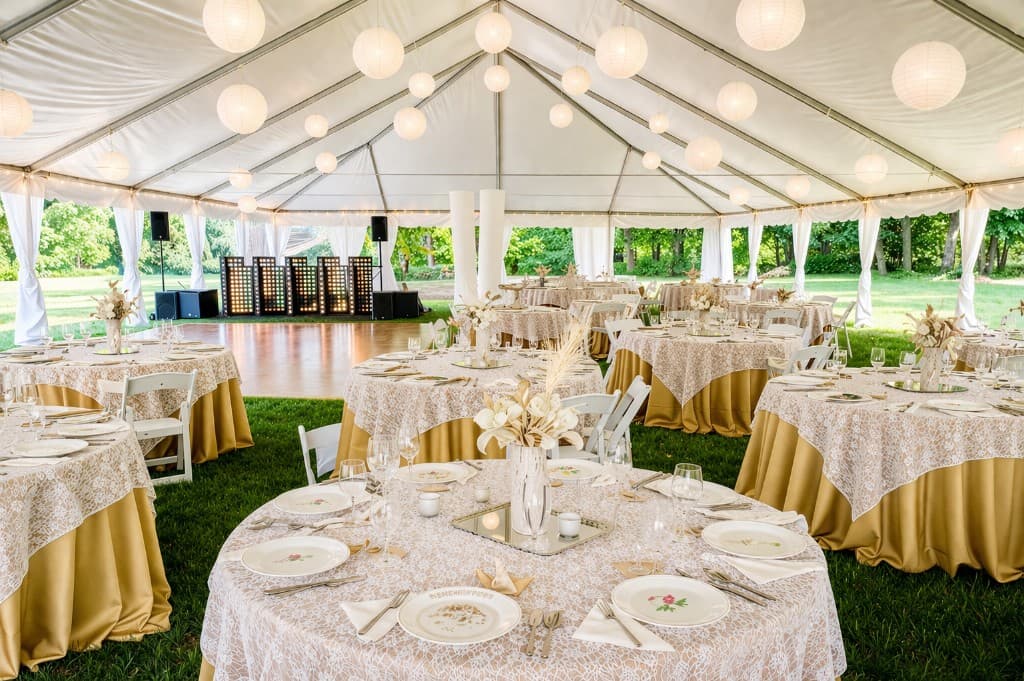
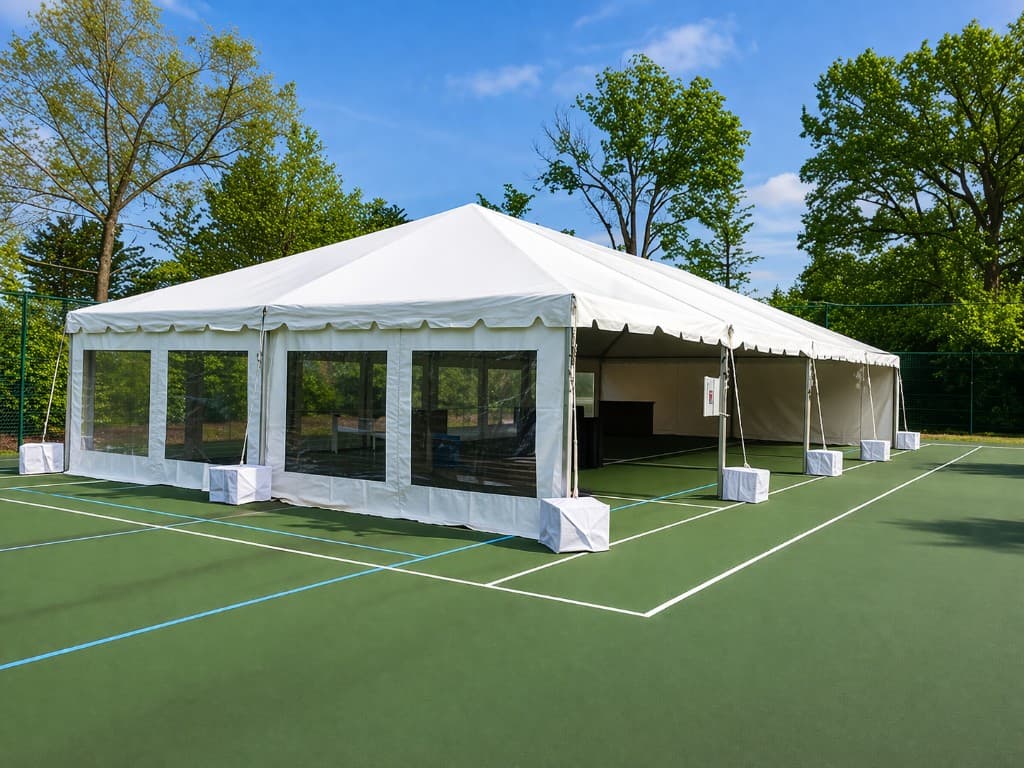
The best outdoor events start with a clear plan, and the right tent helps bring that plan together. Guest count, flow, weather, and site conditions all shape the setup, while the tent helps define the space, improve comfort, and create a more polished setting for dining, gathering, and celebrating. This page is here to help you think through the essentials with practical guidance based on real event planning across Connecticut. If you are not sure where to begin, call our team and we will help you figure out the next step.
Book online now. Tents and peak dates move quickly in the summer and around holidays. See our tents, chairs, tables, and lighting & heating in the live catalog. Not sure where to start? Call us—we're happy to help.
Four decisions hosts bring to every quote conversation. Get them clear before you open calculators and planners below, so numbers stay tied to how your day actually runs.
1Guest Count and Event Flow
The first step is understanding how many people are coming and how the event will function. This affects the tent size, layout, seating plan, and the overall rental setup.
Total guest count
Seated, cocktail, or mixed setup
Dining, bar, dance floor, ceremony, or vendor areas
2The Space Itself
A space may seem large enough, but the layout, surface, and access points matter just as much as the size. This helps determine what can realistically fit and how the setup will work.
Backyard, venue, field, school, or corporate site
Grass, gravel, asphalt, patio, or mixed surface
Obstacles like trees, wires, fences, slopes, or pools
3Weather and Guest Comfort
Outdoor events should be planned for comfort, not just coverage. A tent can make a major difference by creating shade from the sun and a more comfortable space for guests, staff, and vendors to work under throughout the event.
Protection from sun, light rain, wind, or cooler temperatures
Shade and a more comfortable working area under the tent
Sidewalls, heaters, fans, and lighting for a better guest experience
4What You Need Us to Provide
Some events only need a tent, while others need a fuller rental package and planning support. Tell us what you want us to supply and we finish a layout-driven quote, equipment list, and setup plan around that scope.
Tent only or full setup
Tables, chairs, lighting, flooring, heaters, or sidewalls
Layout help, planning help, or a quote-ready setup
Why tents matter
Why Tents Matter and How They Enhance the Event
A tent does more than provide coverage. It helps define the space, improve guest comfort, protect against changing weather, and create a more polished setting for the overall event experience.
Comfort and Protection
A tent helps shield guests, staff, food, and rentals from strong sun, light rain, wind, and shifting weather. It also creates a cooler, more comfortable area for people to gather, dine, work, and celebrate.
Shade from direct sun
Protection from light rain and changing weather
More comfortable space for guests and vendors
Structure and Flow
A tent gives the event a clear footprint and helps organize the layout. It creates space for seating, dining, bars, dance floors, ceremonies, catering, and guest movement.
Defines the main event area
Helps organize tables, seating, and service zones
Supports smoother guest flow
Better Atmosphere
Tents help transform an open yard, venue lawn, or field into a more intentional event setting. With lighting, sidewalls, flooring, linens, and décor, the space feels more complete and elevated.
Creates a polished focal point
Makes outdoor space feel more finished
Supports lighting and décor enhancements
More Flexibility in Planning
A tent gives you more options for where and how the event can happen. It can make private property, open land, or outdoor venues more usable for a wider range of events.
Makes outdoor spaces more event-ready
Expands layout and setup options
Gives more control over the event environment
When your priorities are clear, the next step is sizing and layout against your site. Share your date and guest flow. We translate it into a practical tent plan and quote tied to real inventory across Connecticut.
Editorial
Explore Event Looks
Start with real photography and structure choices, then connect ideas to sizing and layout. This is your bridge between inspiration and a quote that matches your property.
Short, layout-first articles on sizing mindset, 20×40 fit, rain plans, backyards, graduations, and logistics. Kept out of the main menu so this hub stays your planning home.
Tools give you numbers. Guides explain tradeoffs. Tent pages connect to our real inventory: frame sizes from 10×10 through large 60×60 to 60×150 structures, expandable 20′ and 30′ systems, pole tents, and marquee walkways, plus tables and chairs.
Frame tents from 10×10 through 30×60 class sizes, 20′ and 30′ expandable systems, 60×60 to 60×150 large structures, and marquee walkways. Plastic and padded chairs, rounds, banquet tables, and high-tops pair with any footprint. Quotes stay layout-specific; these pages show how we talk about real inventory.
The calculator gives you a footprint range from guest count and layout. The planner walks through chairs, tables, lighting, and weather. Both live on this page. Start with whichever matches how you think.
A full buffet line and a DJ or band often deserve a separate tent or canopy beside the main tent so food service, sound, and guest seating are not fighting the same square footage.
Serving happens under the guest tent; cooking does not. We plan canopies for dining, buffets, and bars only. Open flame, grills, fryers, and full cooking belong outside the main guest tent.
If you will have on-site cooking or grilling, tell us when you plan. We offer tents and layouts designed for prep and heat so crews have a safe, ventilated area separate from where guests eat and drink.
Option 1
Tent size & square footage calculator
Interactive ranges based on your guest count, program, and add-ons, use this when you want numbers and a comfort band before anything else.
Interactive estimator
100 guests
Event type
Program
How guests spend time
Table style (seated)
Estimated footprint
Good fit
2,021 to 2,461 sq ft
More comfortable
2,142 to 2,806 sq ft
Examples: 40×60 to 40×80 class, or modular sections with gutters.
This range accounts for your program, seating style, and the options you selected. Tight sites, extra staging, or multiple food stations may still push you larger. We confirm against your layout and property.
Estimates only, not a quote. Heavy buffet or DJ programs often use a second tent. Cooking stays out of guest tents; tell us if you need a prep area, we have setups for that. Confirm for your layout and site.
Option 2
Quick Event Planner
A second tool, not a replacement for the calculator above. Walk through a few choices and get a starting plan for chairs, tables, service areas, lighting, weather, and more.
3 steps · use Next to unlock each step
Event type
Time of day
Event style
Option 3
Backyard & private party checklist
Different from the tools above: three short steps (event basics, setup/site/style with fun ideas and vibe, then your checklist), plus a structured check-it-off summary with confirmed vs. open items, things people forget, trending enhancements, and optional fun ideas. Not tent sizing or full layouts; use the calculator and Quick Event Planner for numbers and starter plans.
Short steps, then your checklist. Your answers stay in this browser automatically so you can close the tab and pick up where you left off.
Step 1 of 333%
Tell us a little about the event: when, where, food, sound, and kids.
Reference chart: common tent sizes and seated capacity
Tents under 20×20 are not typical mid-size seated-reception footprints. We use them for standing coverage, buffets, DJ or bar, and add-on zones. For most backyard parties we recommend at least a 20×20 as the main tent; 16×16 may work only for very small guest counts (often about 25 people or fewer) if you need seated dinner in one tent. Seated counts below assume typical table layouts; your program may need more room. Banquet rows often pack tighter than rounds. Buffets, bars, and dance floors push you toward the larger end or the next size class. Large buffet or DJ setups may use a separate tent instead of one oversized main tent.
Dimensions
Approx. sq ft
Seated range (typical)
Notes
10×10
100
Standing / service
Not a mid-size or typical seated-reception tent, use for DJ, bar, buffet, registration, or add-on cover.
12×12
144
Standing / service
Same idea as 10×10: satellite zones and tight lots, not your main seated dinner footprint.
16×16
256
Seated only if very small
Sometimes seated for about 25 guests or fewer in a tight backyard; otherwise buffet, DJ, standing, or lounge, not our usual main party tent.
20×20
400
Roughly 32 to 40 seated
Typical minimum we recommend for most backyard parties as the main tent; smaller sizes above are usually service or standing coverage.
20×30
600
Roughly 48 to 60 seated
Small gatherings; better circulation than 20×20 for food.
20×40
800
Roughly 64 to 80 seated
Common backyard milestone size; watch buffets and dance area.
30×30
900
Roughly 72 to 90 seated
Balanced mid-size option when layout is simple.
30×40
1,200
Roughly 96 to 120 seated
Strong starting point for many ~100-guest programs.
30×60
1,800
Roughly 144 to 180 seated
Larger receptions and community setups; room for zones.
40×60
2,400
Varies widely
More comfort, service space, or dancing without feeling cramped.
Follow this sequence when you are deciding tent size and layout. It is the same order our planners use on the phone.
1
Start with the event type
A wedding, graduation, fundraiser, company picnic, backyard party, or town green event all use space differently. A seated plated dinner needs a different footprint than a cocktail reception or a ceremony-only hold. Naming the event type first keeps sizing and layout decisions grounded in how people will actually move through the day.
2
Estimate your guest count
Start from the maximum you realistically expect, not only today’s RSVPs. For ticketed or open events, plan toward the upper end of your range so food lines, seating, and weather backup still work if more people show than your minimum.
3
Decide how guests will gather
Think in programs: seated dinner, cocktail style, ceremony rows, mixed seating, buffet flow, dance floor, bar area, lounge or mingling space. Each choice adds or frees square footage. A layout that looks full on paper often feels tight in real life if you skip aisles and service paths.
4
Think beyond tables and chairs
Buffet tables, bars, DJs, bands, gift tables, dessert stations, head tables, and clear walkways all consume floor space. A busy buffet and a dance or DJ zone often work better with a second tent or canopy so lines and speakers are not crammed into the main footprint. Serving stays under the guest tent; cooking does not. If you need on-site cooking or grilling, tell us early so we place the right prep tent or area. Say what matters early; it is often what turns a maybe tent size into the right plan.
5
Look at your site
Grass, patio, driveway, or parking lot changes anchoring. Level ground, overhead trees or wires, fence lines, pools, septic, landscaping, and the path our crew uses to load in matter as much as the tent dimensions. A quick photo tour or rough dimensions saves guesswork.
6
Make a weather plan early
Tents help with rain, harsh sun, wind, and temperature swings. Sidewalls, fans, heaters, flooring, and gutters are easier to plan while you are choosing structure than as a panic add-on the week of the event.
7
Get expert help before you lock decisions
This is where we confirm sizing, layout, site fit, and weather readiness against real inventory and Connecticut conditions. You get a second set of eyes from a team that does this every week.
You do not need every detail figured out before you call. Start with what you know (date, location, rough headcount). We help you fill in the rest without pressure.
Popular setups
Easy layout examples
These are starting points, not guarantees. They show how real events often translate into tent sizes before we fine-tune for your property.
Backyard graduation
Guests / program
40 to 50 guests · Open house style, food table, casual seating
Starting tent direction
Often starts in the 20×30 range
Why it works
Gives you breathing room for food, gifts, and people moving without bumping chairs.
Size up if
Add space if you want a defined dance area or a long buffet line.
Backyard party, seated
Guests / program
~60 seated · Rounds or banquet rows, buffet service under tent; cooking off to the side
Starting tent direction
Often 20×40 or larger depending on dance floor and bars
Why it works
Seated counts eat floor space fast once you add aisles and service.
Size up if
Dance floor, DJ, or second food station usually pushes you up a class.
Wedding reception
Guests / program
~100 guests · Dinner rounds, dance floor, head table, bar
Starting tent direction
Often 30×40 class or larger
Why it works
You are planning zones, not just chair count.
Size up if
Live band, large dance floor, or dual bars increase footprint.
Ceremony only
Guests / program
~100 guests · Rows, aisle, modest staging
Starting tent direction
Often smaller than full reception for same headcount
Why it works
Rows pack tighter than seated dinner with rounds.
Size up if
Wide aisle, large wedding party, or covered cocktail hold changes the math.
Cocktail fundraiser
Guests / program
~100 guests · Standing mix, high tops, auction or program area
Starting tent direction
Depends on bars, silent auction tables, and stage
Why it works
Standing events still need stable zones for food, check-in, and bidding.
Size up if
Heavy food stations or seated portion later adds square footage.
Community event
Guests / program
Varies · Check-in, vendors or booths, gathering space
Starting tent direction
Often multiple bays or one large frame
Why it works
Flow and sightlines matter as much as canopy square footage.
Size up if
Peak arrival windows and weather backup drive real-world sizing.
Tailgate hospitality
Guests / program
Small crew to large group · Grill, coolers, seating, weather cover
Starting tent direction
Compact frames; anchor plan follows the lot
Why it works
Parking surfaces and wind drive setup as much as guest count.
Size up if
Food service lines and weather protection expand the footprint.
Sweet 16
Guests / program
Teens + family · Dining, dance, dessert, gifts
Starting tent direction
Sized for dance floor and DJ as well as tables
Why it works
Energy zones need clear separation so the night flows.
Size up if
Lounge seating, photo area, or extra dessert tables add space.
Structure
Which tent type fits your event?
Most Connecticut outdoor events come down to a few families. We match style to surface, guest flow, and the look you want, without drowning you in product names.
Frame tents
Look: Clean lines, minimal interior poles, easy to connect in sections.
Space: Strong sightlines for receptions, auctions, and programs.
Site: Works on many surfaces with staking or ballast depending on the lot.
Often best when: Mixed layouts, dance floors, and when you need modular pieces.
Pole tents
Look: Classic peaks; poles inside follow the roof line.
Space: Layout has to account for poles; often cost-effective coverage.
Site: Grass-friendly staking is typical; plan around guy lines.
Often best when: Traditional celebrations when the look fits and flow is planned around poles.
Premium canopy finishes
Look: Warm, refined appearance in photos and at dusk.
Space: Same planning rules as frame; the story is aesthetic and lighting.
Site: Anchoring still follows your surface and wind exposure.
Often best when: Weddings and galas where the canopy is part of the design.
Smaller canopies
Look: Focused coverage for bars, check-in, or food stations.
Space: Satellite to a main tent or stand-alone for tight sites.
Site: Flexible placement; watch access and anchoring on hardscape.
Often best when: Add-ons when you need a second zone without rebuilding the whole plan.
Grass, patios, driveways, and parking lots all change how we anchor and how trucks get in. Level ground, overhead branches and wires, fences, pools, septic, and the path we use to load gear matter as much as the tent dimensions. Staking is not always possible; hard surfaces may need ballast. Crew access surprises people: if we cannot reach the spot, the footprint does not help.
Grass: Often stake-friendly; watch irrigation, roots, and soft spots after rain.
Driveways / lots: Ballast, cable ramps, and vehicle paths planned in advance.
Patios / pavers: Level matters for seating; drainage matters when it pours.
Overhead: Branches, roof lines, and power lines limit peak placement.
A tent is not only rain insurance. It gives you shade, structure, and a defined home base for food, music, and seating. The goal is not to overcomplicate your event. It is to keep the program working when the sky changes its mind, which happens often in New England.
The best rain plan is one you make early, not the night before.
Common concerns
•Sun and heat on long afternoon programs
•Wind that picks up across open lawns
•Quick rain cells that were not on the weekly forecast
•Temperature drop after sunset
•Food service and cake in humid or breezy air
How we help
•Sidewalls and window panels balance breeze, warmth, and light
•Heaters, fans, and openings keep air moving comfortably
•Flooring steadies chairs and equipment on soft ground
•Gutters and transitions keep guests dry between spaces
Tables, chairs, and layout flow matter more than most people expect
Round tables encourage conversation. Banquet rows fit tighter footprints. Cocktail rounds free space for mingling, but if dinner follows, you still need real square footage. Tight layouts can work on paper and feel crowded in person. More comfortable layouts are often worth sizing the tent up.
60" round
Seats 8 comfortably; common for mixed groups.
72" round
Seats 10 to 11; allow space for plated service.
6' banquet
Three per side plus ends; head tables and family-style rows.
8' banquet
Four per side; galas and awards when depth allows.
Cocktail / high-top
Standing mix; frees floor but plan seated dinner elsewhere if needed.
Group your plan into a few buckets so nothing obvious falls through. These are typical add-ons that protect food, comfort, and flow.
Weather and comfort
·Sidewalls and window panels
·Fans
·Heaters
·Lighting (task and ambient)
Food and service
·Separate tent or canopy for buffet and/or DJ when the main tent should stay for guests
·Buffet and bar tables
·Catering prep or satellite tent
·On-site cooking or grilling (tell us so we plan layout and safety)
·Extra service tables
·Generator and power paths
Flow and experience
·Dance floor
·Cocktail tables
·Staging
·Lounge seating
·Covered transitions between tents
Site and setup
·Ballast and anchoring plan
·Crew access path
·Gutters between tent sections
·Layout buffers for stakes and lines
Want tents, tables, and popular accessories in one conversation? See party packages.
By event type
Planning advice by event type
Scan by occasion, then open service pages or Party guides. Backyard and graduation cards link straight into guides; weddings and corporate link to full landing pages.
Straight answers on sizing, surfaces, and how booking works in Connecticut.
For 50 people, the tent size depends on whether they are seated at rounds, standing cocktail style, or mixed. A seated dinner with rounds and aisles needs more floor space than a ceremony in rows or a casual open house. Add dance floor, buffet, or bar zones on top of that. Use our estimator on this page for a starting range, then call with your layout goals so we match a real tent class to your site.
You do not have to figure this out alone
Start with your guest count, event type, and date. We help you guide the rest: tent size, layout, site fit, and weather readiness. No jargon required.
Prefer email first? Book Consultation (name, email, phone, date, and event type get the conversation started; everything else can wait).
Ready to book with confidence?
Tell us your date, town, and guest count. We will walk through setup with you, answer questions without the runaround, and help you get a layout that works for your people and your place.